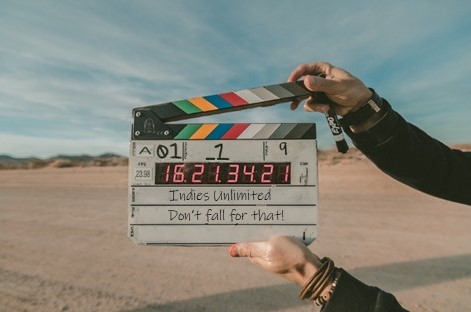
 Recently I got an email from a friend who was all abuzz about a prospect to turn his book into a movie. He had taken my class on self-publishing a while back, and had dutifully completed all the steps and published his first book. The book was a memoir, and although he wasn’t interested in continuing writing as a career, who doesn’t like hearing that his/her book is fascinating enough to become a movie?
The email was as follows: Continue reading “The “Make My Book into a Movie!” Scam”
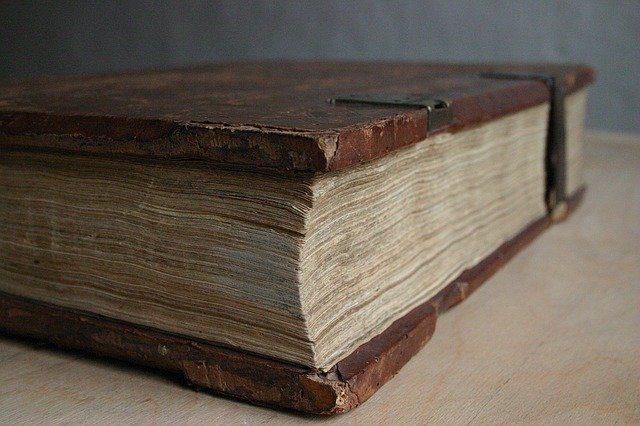 From the time Gutenberg invented the printing press in 1456, people have been self-publishing books. By the mid-1500s, traditional publishing companies were being formed with the publishing company paying the author a royalty while taking on the hassles of production and distribution. However, some authors continued to self-publish successfully. Thomas Paine’s book Common Sense, released in 1776, was one of the biggest selling books of its time and was self-published. Benjamin Franklin, William Blake, and even Jane Austen’s book Sense & Sensibility were self-published.
 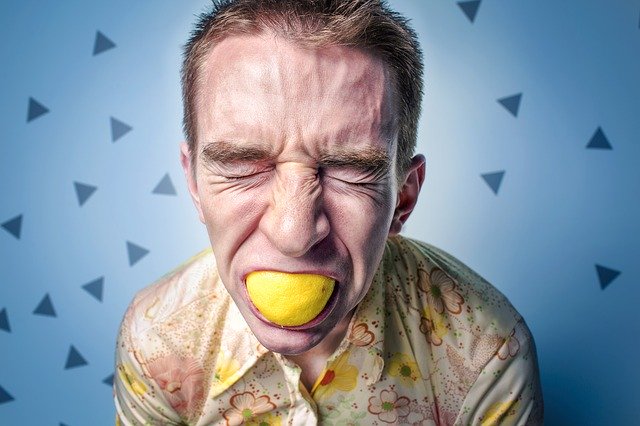 Exposure: that dreadful word that signifies potentially wasted time. Its evil stench lingers on the writing world like a hobo at a back alley dumpster behind an Italian restaurant. You wish it wasn’t real, but it is.
 It’s a question every author of fiction is familiar with in one form or another. “Is the main character really you?” “Which character is most like you?” Of course the answers always vary, but they also have similarities that we often overlook.