
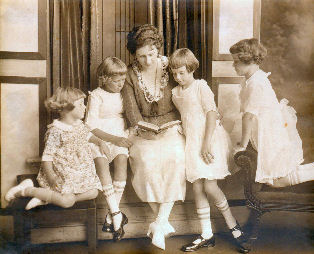
 Every family has them: stories of Great-Uncle Harold’s time in the trenches of WWI, Grampa’s side trip into bootlegging during Prohibition, Aunt Helen’s wanderlust that took her around the globe twice, Grandma’s ground-breaking work as the first female at Lockheed Aeronautics during WWII. These are the stories that may only get trotted out once a year or so, maybe at Christmas or the infrequent family reunion, but otherwise stay hidden away in shoeboxes at the back of closets or in the dimly-lit corners of an oldster’s mind.
And very often, the story and its teller are, eventually, lost for all time. Why? Because the stories don’t get written down.
There’s a Mandinka proverb that says every time an old person dies, it’s as if a library has burnt down. Continue reading “Family Stories: Leaving a Legacy of Words”
 In an earlier post, I talked about how the ending — indeed, every part — must
  Formatting a book for publication as an eBook can be easy, but it can also be frustrating. eBooks are much simpler than print books, simpler in that they allow fewer frills and so have more rigorous constraints. Here is a nuts-and-bolts review of the basics for eBook formatting.
 A recent article on the