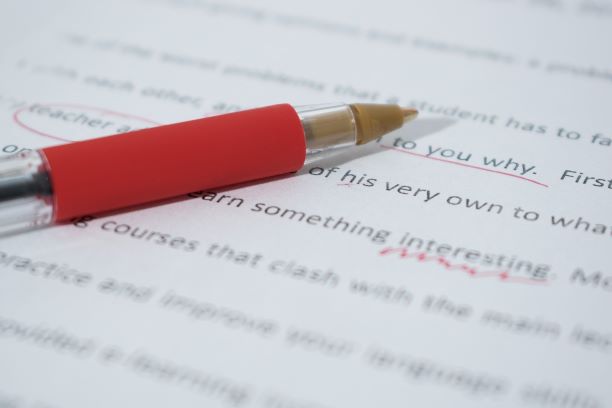
 So, you’ve finished your novel, let it sit, made some revisions, and now you’re ready to send it to an editor. Not quite. First you need to do some self editing.
But, you’re not good at editing, you say. Well, too bad. Get good. I’m not joking, and I’m not being flip, either. As an author, whether self-published or traditionally published, you need to be a decent self-editor. Does that mean you need to go back to school to get an English degree? Of course not. But, as a reader, you have an idea of what makes a good story. The point of editing is getting it ready for the world to see. That means you want a manuscript that flows smoothly and is free of errors. The good news is good editing is often as much about taking time and care in evaluating your manuscript than it is about being a grammar fiend. Yes, you want a professional editor in the end, but you doing a bang-up job with it first, helps for many reasons. First, it costs more for an editor to work with a sloppy manuscript than it does to work with a fairly clean one. [A big reason many authors send their manuscripts out to beta readers before editors – but you still need to self-edit first.] Second, a particularly sloppy manuscript that requires a lot of work from the editor will lead to editing fatigue. So many errors make the editor lose his or her freshness and certainly prevents them from looking forward to coming back to it.
So, if you’re not great at editing, but want to punch it up, how do you do it? Continue reading “Four Tips to Help You Self-Edit”
 Authors who write fiction are often looking for resources to help with all facets of the business, from inspiration through selling. Today, we’ll look at some of the tried-and-true resources to help fiction writers.
  If you’ve been writing for any length of time, you’ve likely seen enticements to join a writers’ association. But if you’re new to the game, or skeptical of groups that want you to pay to join, you may not have given much thought to them. Today, I thought we’d take a look at what associations do and how you can evaluate whether to join.
 So, you’ve decided you want to self-publish your book because you’ve heard it’s a great way to get your masterpiece into the world. But now that you’ve started researching, you come across term after term that make no sense. While Google is great, it can also turn into a black hole that swallows up your valuable writing time. So here, we’re going to take a look at 10 terms every self-publisher should know. The goal is brevity and clarity, to get you a good grasp on what it means without sucking away your time. That said, let’s get to it.