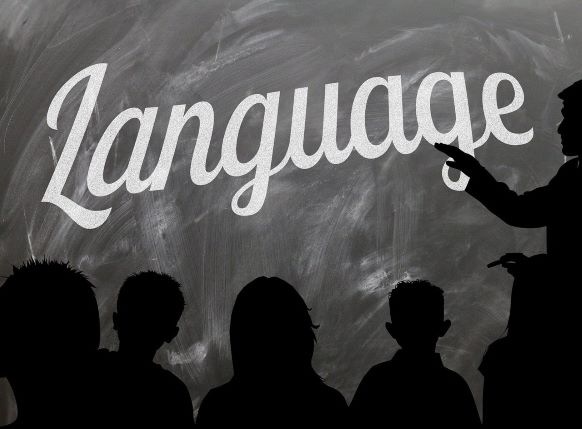
 Years ago, rules for grammar and descriptors were simple, even if a monument to the patriarchy, and even somewhat awkward at times.
But today’s world is changing, and so is the language we use to refer to people. Some things that used to be acceptable are now considered offensive or inappropriate. Many of the changes to our language were designed to make it more inclusive of all members of society. Last year, the American Psychological Association endorsed the use of the singular they. This was not just to rid English of some of its patriarchal leanings, but to acknowledge that people who are nonbinary do not wish to be addressed as either he or she. So exciting was this change that Merriam Webster’s declared they the Word of the Year for 2019 .
So, given that things are changing, how do you, as an author, take these into account in your writing and editing? Continue reading “Are You Editing Your Work with Today’s World of Inclusive Language in Mind?”
 In today’s high-tech world, one thing reigns supreme: images. As authors use social media and blogs to discuss their books, images are a crucial component to making those posts pop.
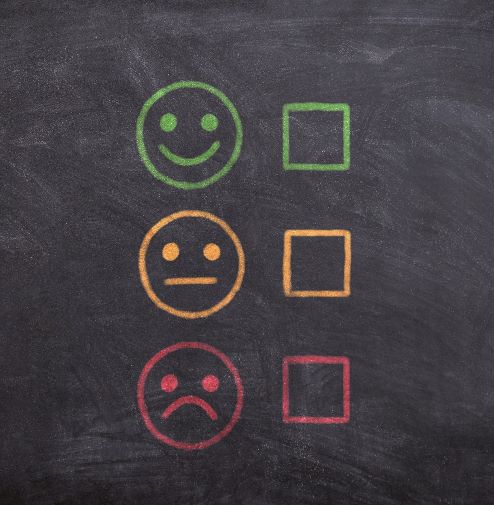 There comes a time in every writer’s life when they must get feedback on the work that they have poured their soul into. And while writers often ask for feedback on the tome they’ve labored over, what they’re really seeking is accolades, not genuine critiques.
  When it comes to the online world, Google is a major player, with its search engine and web browser kings of the market. So, it would seem like Google would be a good place to sell eBooks. On the surface, that makes sense. But, recently, the only major self-publishing distributor that allowed authors easy, commission-based access to Google’s platform —