 I’ve been asked two questions recently. One was easy to answer, the second — rather surprisingly — wasn’t.
Let’s just quickly talk about the easy question. How does a book grab you? What promises it’s going to be a good’un? Many people probably share the same views: eye-catching cover, a well-written book description that draws you in, a ‘Look Inside’ that makes you want to read more, you’ve already read a good book by that author, and, if applicable, an engaging exchange with the author if s/he’s asked you to review the book. It doesn’t have to be all these things, but basically, it’s all about an immaculate package, isn’t it?
Now, the second question. Why do you turn your back on a book? What makes you think it’s going to disappoint? My instant reaction was, well, if none of the above applies, then surely the book’s going to go into ‘oh dear’ pile. But the more I thought about it, the more I realised it isn’t quite so cut and dried. Continue reading “How can you tell if a book is going to disappoint BEFORE you buy it?”
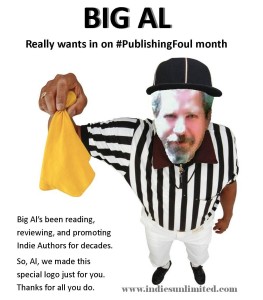 This week I’m supposed to reveal the results of the survey we ran last month on the book production processes used by our readers. It was a lot of work, so I’m going to milk the survey for as many posts as I can. But we also have a theme for this month, focusing on “publishing fouls.” Guests and minions alike have been providing stories and hints on how to recognize and avoid being victimized by those in the publishing world who prey on eager neophyte authors.
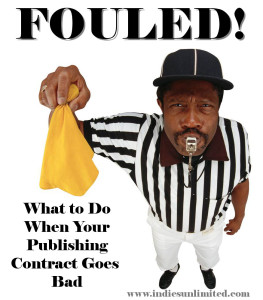 Authors who have gotten sucked into a vanity press contract often get their first inkling of problems when they review their “edited” manuscript. It’s often riddled with errors – many of which have been introduced during the “editing” process. And if they complain, they’re pointed to a provision in their contract that states they need to pay extra for extra rounds of editing.