 We’re going to talk about selling eBooks. We can call it “connecting with readers” or “building our reader base” or “expanding our discoverability” in other articles. Right here, right now, we’re going to call it what it is: selling books.
I’ve been through the ups and downs of free promotions. I’ve had mega-successful returns where I’ve sold tens of thousands of books and I’ve had disappointing returns where I have not covered my promotion costs. I’ve sworn off free promotions and come back to them and realized that they can still be effective in terms of selling books. Again, we are not talking about climbing up the rankings in a genre-specific category or how many email subscribers we can gain or how many books we can give away. We’re dealing with book sales, and with free promotions we’re referring to peripheral sales of our other books or paid sales when our free book returns to its regular price. Continue reading “Book Promoting:Is $1.99 The New 99 Cents?”
 As an Indie author, I’ve always sided with Amazon because Amazon made my career as a writer possible. Nevertheless, I was a little confused recently by the retail giant’s apparent about-face with regard to the agency model.
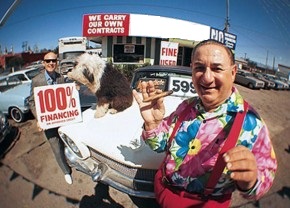 I’m an Indie author, with only a shaky grip on the whole concept of Marketing, however I recently stumbled across something that really resonated with me as a reader:
 Since the first indie authors figured out a way to make their eBooks free on Amazon, other indies have been badmouthing them. Some of the same authors – with an assist from traditionally published authors, their publishers, and various publishing pundits – have been making the same arguments about cheap eBooks. (Cheap being 99 cents, $2.99, or whatever is less than what that particular whiner thinks is the “right price.”)