
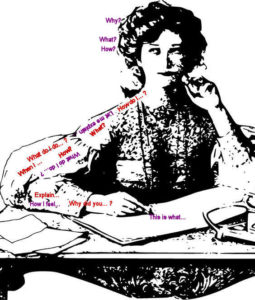
 Many of us might consider what we do when we write creatively to already be therapeutic; after all, if we didn’t get that story and those characters out of our brains and down on paper, we just might go nuts. But I’ve found a huge therapeutic benefit from writing when I need to vent, when I need to puzzle something out, and when I need to get a grip on some issue so I can quit obsessing about it.
I was reminded of that recently. I was having a problem and needed to write a letter to get it resolved. The sticking point was that I could not lay the problem solely at the doorstep of the people I was sending the letter to; I had a hand in it, as well. Although I had acted in good faith, I had made a weird situation worse, and I had to own up to that. But the overarching problem began with these others. Continue reading “Writing as Therapy”
 Back when we first started batting around this Indie Heroes idea at the IU water cooler, the very first thing I thought of was the fact that, to my mind,
  We all know the number one goal for us authors is to write a kick-ass book. However, a kick-ass book that no one reads or ever knows about doesn’t amount to much. We may know how great it is, but a little outside validation would be nice. Enter goal number two: a kick-ass cover. Yes, it’s a secondary goal, but it’s actually primary to our book marketing and promotion. I tend to think of the cover of a book as a door. It may invite us inside, or it may bar the way. It may entice us with mystery or bore us with blandness. It may beckon with romantic tension, or spur us on our way with horrific shivers.
 I’m not sure when my life became so encapsulated by writing that I began to put parameters around it. I don’t write horror. I don’t write erotica. I don’t write crime dramas. I never tell the same story twice, and