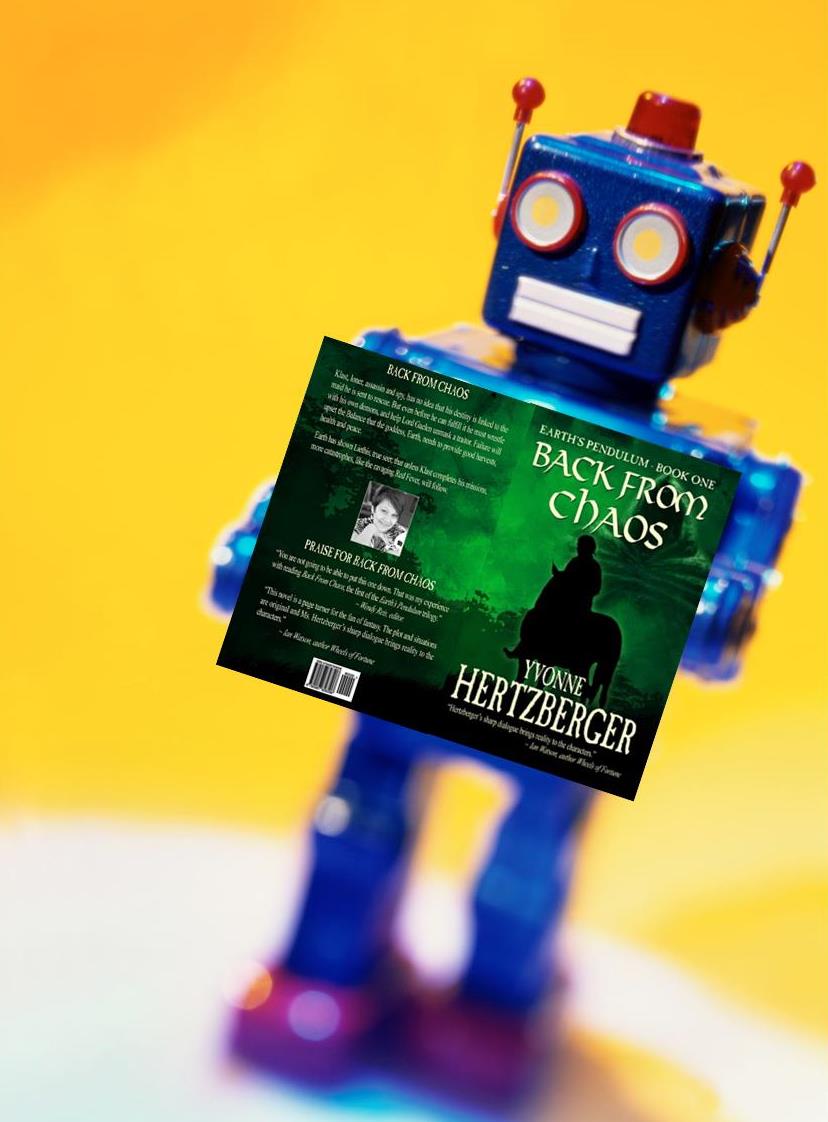
 The number one problem we run into during the vetting process here at Indies Unlimited is a book’s description, also sometimes known as the book sales pitch or the book blurb. Too long, too short, too detailed, too vague, too too too, blah blah blah. What it comes down to is: many authors cannot write a book description on their own.
There’s nothing wrong with this. In most instances, it takes an outsider to point out what’s missing from (or not needed in) a book description. After all, an author has been married to the book for years. An author is most likely going to overlook points that a potential reader needs to know. It’s like explaining how to use a computer program that you know like the back of your hand. You’ll always skip over the basics or the foundation and get right to the good stuff. Meanwhile, your pupil is sitting there with a stupid look on his/her face, completely confused.
The basics for writing a good book description don’t change. Who, what, when, where, why, and how, and why do I want to read/buy this book? We’ve had plenty of articles about this already. We have an article that specifically explains how to write a book description. We’ve had a post on the most common book description issues. The Evil Mastermind even felt the need to break down book description epic failures into categories.
I’ve put together a list of the questions I most commonly ask after reading a book description that has confused me to the point of needing Dramamine. Reading these questions won’t replace the lessons in the articles linked to above. But hopefully, they will help prevent you from achieving the Epic Fail categories. Continue reading “Book Description Basics”
 Recently I was beta-reading a book for a friend. He had told me before I began reading that it was a “new-age thriller.” I wasn’t quite sure what that meant, but it sounded intriguing, so I was all in. As I read, though, and the story unfolded, I kept looking for those thriller sequences but they were nowhere to be found. I found myself getting frustrated, wanting to get into the meat of the genre, but the narrative was taking its sweet time. Finally it became clear to me that this book was not a thriller. It had a very few thriller elements, but they actually only occurred in the last 10% of the book and they were not anywhere near the fast-paced, clock-ticking, heart-pounding sequences I was used to (and expected). While the book was good as far as it went, and well-written, it was decidedly miscategorized, and I told him so.
  So you’ve written the next Great American Novel and you’re ready to publish. Now you’re down to the silly details that try your patience. You have to choose your categories and then come up with a short description, almost every writer’s bane. How do you distill 600 pages down to six sentences? How do you convey all the passion and wisdom and inspiration of your story into one or two paragraphs?