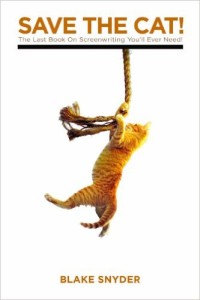
 Storyboarding is a plotting technique used by screenwriters, but it’s also popular with some novelists. I like it since I’m a planner, not a pantser. Storyboarding is not a rigid plotting device. The whole point of the board is that it’s flexible. The greatest advantage is seeing exactly how your novel is “built,” just as an architect refers to a blueprint.
Now, I realize that some purists eschew structuring their work according to a storyboard. That is fine for those who wish to write Litrachure. But as popular Victorian novelist Wilkie Collins once said, “I have always held the old-fashioned opinion that the primary object of a work of fiction should be to tell a story.” I feel the same way, and I don’t think storyboarding need adversely affect good writing. Continue reading “Storyboarding for Novelists”
 Yes, some authors are still making video trailers – it’s just one more way to get word out about your books (*ahem* you know it’s all about
 Newbies to the wonderful world of indie publishing can be forgiven their bewilderment at the range of software options out there for our use. The thing is, some programs work better than others for our purposes, and some don’t really have any use for us at all.
 Google is ubiquitous. There’s no getting around it. What’s worse, Google tracks EVERYTHING! How extensive is Google’s tracking? They’re tracking you even when you think they aren’t. With cookies, filter bubbles, IP addresses, fingerprinting, flash cookies, HTML storage, and other tools; Google uses your information more than you do.