
 I received an email from another author recently, asking me if I could send him a link to a podcast I did on how to effectively leverage free days to promote your book. I had forgotten about that particular interview, but thanks to Google, it lives forever. After I found and listened to it, I knew I couldn’t send it to him. Almost everything I said at the time – the spring of 2014 – is wrong today.
Oh, it was true at the time, but in the ever-changing landscape of indie publishing, the advice I gave wouldn’t fly today. Continue reading “Ch-ch-ch-changes in Indie Publishing”
 Back in the dawning of the eBook age, when I signed on with a small publisher for my first novel, one of the requirements of my contract was to start my own blog. I knew what blogging was, but I hadn’t seen any point to having one of my own – mainly because I didn’t think I had anything to say that other people would be interested in reading unless I’d made it up.
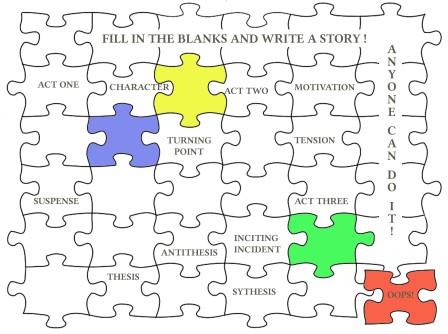 The structure of every story follows the pattern of the average human emotional experience. That pattern is the same, whether it’s a first kiss, eating a chocolate bar, having sex, or reading a full-length novel. Hollywood scriptwriters have found this pattern, follow it, and often make great heaps of money for their producers by doing so.
 Writers are well aware of the value of observation for giving us the details we need to make our settings come alive, for rounding out our characters by giving them habits or for providing details in our descriptions that help identify them. Today I’d like to take a closer look at a specific form of observation – listening – as apart from merely observing. As writers we can use less obvious aspects of listening to deepen our understanding of our characters and their relationships to each other.